Helping students thrive in transition
- The International
- Feb 9
- 4 min read

As cultures intersect more frequently, Makoda Gascon shares how children growing up between worlds develop a unique sense of identity as Third Culture Kids.
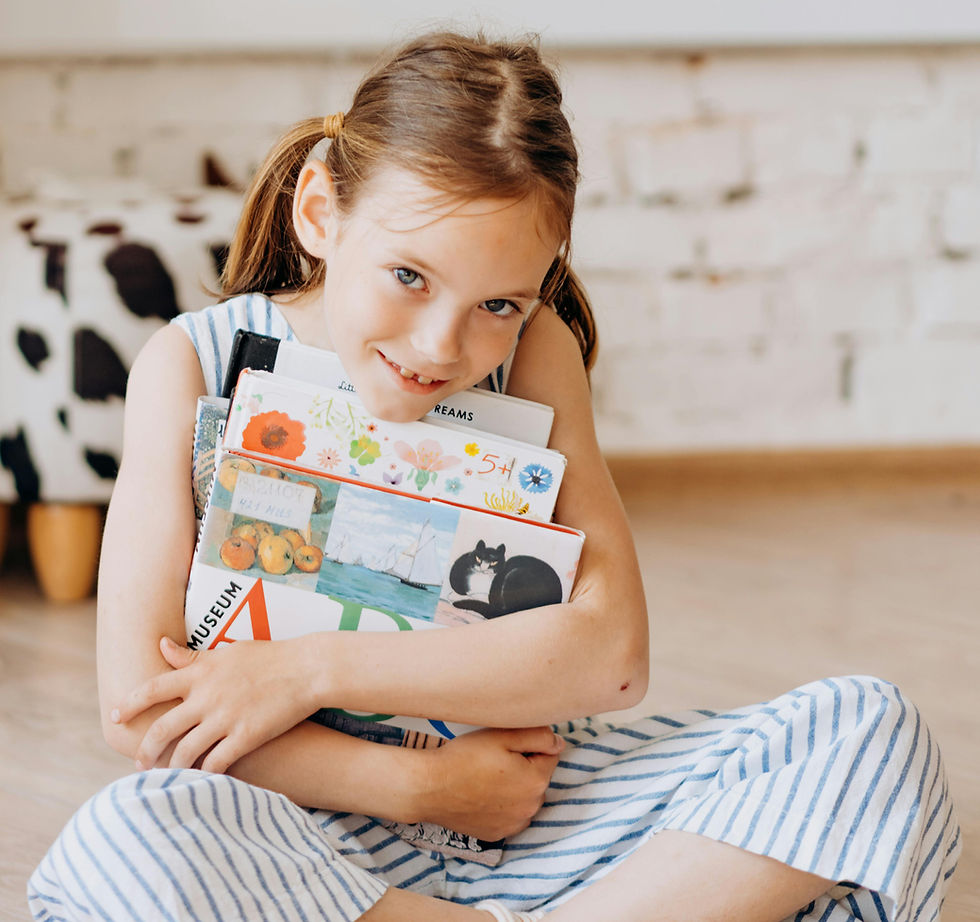
Photograph: Pexels / Yan Krukau
Text: Makoda Gascon
As globalisation becomes more prevalent, the number of individuals travelling, living abroad, and settling in a new country is increasing. This rise in travel has led many individuals to integrate their home culture with the culture of their host country. In particular, this can lead to the creation of new terms to better explain the unique cultural experience of these individuals, particularly children, who are described as Third Culture Kids.
What is a Third Culture Kid?
Third Culture Kids (TCKs) are children who create a new, ‘mixed’ culture that incorporates aspects of their parents’ cultures and the culture of the country where they live. The reason for this newfound cultural development can be for a list of reasons, but encompasses a child being raised and growing up in a culture that is unlike the one that is primarily shown by their parents.
For example, I was born and raised in Canada, and both of my parents are Canadian. However, starting in middle school, I took trips down to the United States multiple times a year with my mother, learning from the somewhat similar culture every time I went. Eventually, I ended up moving to the United States, and have been living in the country for around ten years. When I think about my own culture, it feels like a mismatch between Canada and the United States, where many of the things that I consider as ‘mine’ are a mixture of both of my cultural experiences within both countries.
Due to the vast nature of this title, there is no clear estimate on the total number of children that would fall under this label, or those who would have fallen under this label before its creation. This title was created to give this new culturally significant group of individuals something that would help differentiate them, and is a popular title amongst educators to aid in differentiating students based on their cultural upbringings.
The importance of Third Culture Kids
While this new type of student is becoming more and more prevalent in our global age, their importance within the classroom isn’t always known. Perhaps unlike their monoculture counterparts, Third Culture Kids are able to bring in a plethora of strengths that they have gained from their multi-cultural upbringing. These strengths can include things such as a global mindset, diverse linguistic abilities, and adaptability.
Inside a classroom, TCKs aid in making the classroom environment more global, as there is now a greater need to consider other points of view on topics. For some schools, it may be easier to stick with a homogeneous point of view, but TCKs challenge educators, as well as other students, to think about different perspectives and broaden their understanding.
How to support Third Culture Kids
Many children who could be considered TCK, they may be unaware of this transition of cultural understanding as they grow up. In light of this, the biggest way to support a TCK is to embrace all aspects of who they are and what they can become. Due to their ability to enhance their life with not only their parents’ culture, but also the culture of the country they live in, they are able to bring forth such a unique outlook on situations that are presented to them.
Since many Third Culture Kids may feel isolated due to the fact that they may not be able to fully integrate into a singular culture, it is important to provide these children with the support they need. This may include educating oneself on the history, culture, and traditions that are of importance to a TCK. Once there is knowledge about a child’s different culture, it can be helpful to include information from that culture in order to showcase that the student is able to not feel embarrassed by half of themselves. Including information on a specific culture could include topics such as music, food, tradition, weather, clothing, holidays, and language.
In order to incorporate all children in a cultural learning experience, hosting events that celebrate culture in different ways can normalise any uncomfortable feelings between children. Having a day that allows students to highlight their culture through wearing clothing, cooking food, showcasing their language, and talking about traditions can better educate and interest others in that specific culture. This can also help to bridge the gap in a TCK’s understanding of their new home culture in a more personalised way.
Endless understanding
In conclusion, TCKs may seem vastly different, but in reality, all they need is the same opportunities to grow up knowing that they are cared for and supported. While having Third Culture Kids may prove to be a challenge for some individuals, realising that they can offer such an amazing learning experience for others aids in making sure that they do not feel isolated while getting used to their newfound cultural experiences.t of lots of time and opportunities. This is true! However, it is quite incredible how quickly the time passes, and the new year celebrations are being enjoyed, again!