Winter hygge

As the days grow shorter, Monika Pedersen shares tips on hygge, health, and community to brighten the winter months.
Photographs: Unsplash
Text: Monika Pedersen
The clocks have shifted, and the days are shorter, yet the beauty of the autumnal colours of the yellow, orange, and red leaves prevails and provides a lovely creative and artistic activity to perform with children. As the days pass, the wind hastens its gusts, the temperature drops, and the time for winter hygge begins.
What is hygge?
Hygge is the Danish term for being cosy. It is about creating a harmonious atmosphere at home with warm and harmonious lighting, comfortable surroundings created by cuddly textiles, warm drinks and delicious comfort treaties, and the general endeavour to create wellness during the long winter days to keep one’s spirits buoyant. It is a very Danish approach, but one that is well tested and proven to keep the Danes cheerful through the very long winter.
Why is this so important?
Unlike the Danes, many expats are not used to the darkness and the dreariness of the winter here in Denmark. There is often a sinking feeling when one must get up in the dark, have no light until almost 9 o’clock in the morning, and then return home from school in the dark. Days are very short, and the darkness seems to last forever! This is a trying time for everyone, especially international families who are new to the experience. Thus hygge is one means of survival!
More survival tips
Equally important at this time of year is taking essential vitamins such as vitamin D to boost the immune system and ward off the inevitable coughs and colds that spread through schools. Vitamin C also plays a key role in keeping the body fit and energised, while vitamin B supports mental clarity and focus during the long, dark months. It is quite common to notice students becoming less lively as winter settles in.
A well-balanced, nutritious diet is just as vital. As tempting as it may be to indulge in sugary treats, these should be balanced with plenty of vegetables, fruit, and protein-rich foods to provide the energy needed to stay warm, healthy, and alert. This is especially important for children, whose immune systems are not yet strong enough to fend off the seasonal bugs that inevitably appear.
Appropriate clothing is another essential factor. Children are still expected to play outdoors, and fresh air remains important even in the colder months. A proper rain set and wellies, as well as a snow set and snow boots, are must-haves. Many parents overlook the fact that smart clothing choices are key to keeping their children warm and healthy. It is not uncommon to see pupils arriving at school in canvas shoes, thin jackets, and without hats, scarves, or gloves, only to learn, after a few bouts of illness, the value of proper winter wear.
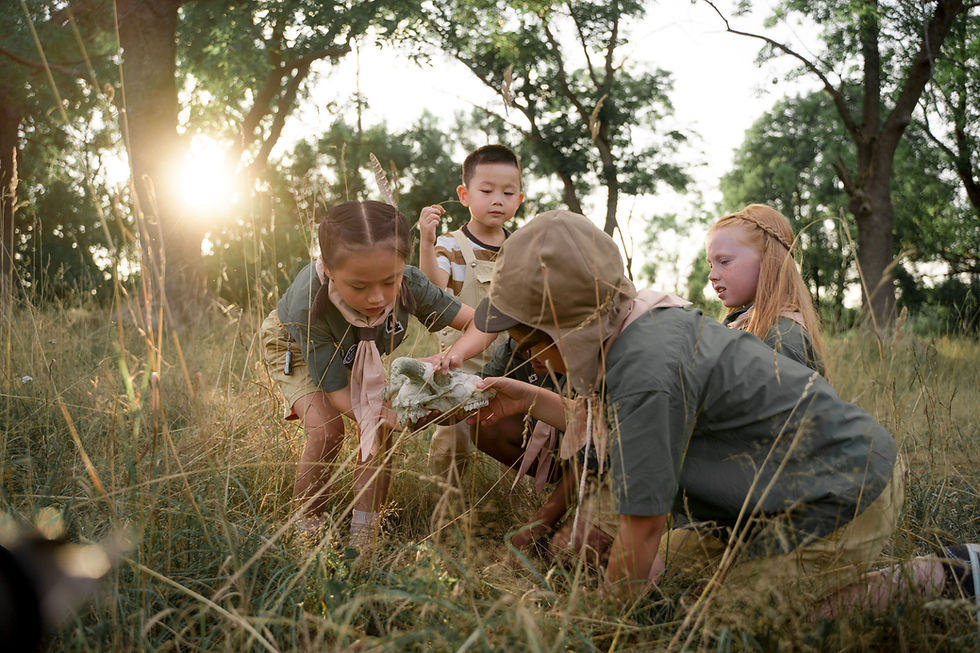
Despite the inhospitable weather, it is still important to wrap up and, whenever the conditions allow, get outside for some exercise. As inviting as it may be to stay indoors, physical activity is vital to maintaining energy levels and keeping serotonin up, helping to avoid the winter slump and the lure of becoming a ‘couch potato’.
A time to celebrate
November is not without its charms, with celebrations such as the Harvest Festival, Thanksgiving for the American community living in Denmark, and the beginning of Advent. These occasions offer international schools a wonderful opportunity to support their communities away from home while sharing in moments of togetherness.
At many schools, parents host a Thanksgiving supper, bringing a taste of home to Denmark. There is also the chance to create Advent candle holders to mark the four Sundays leading up to Christmas — a creative evening where parents and students come together to make candle arrangements and enjoy traditional Danish treats such as æbleskiver and gløgg.
Æbleskiver are small, round, doughnut-like pancakes, typically warmed, dusted with icing sugar, and served with strawberry jam. They are best enjoyed alongside a glass of gløgg, a warm, spiced, orange- and red wine-based drink that brings both comfort and a touch of festive cheer.
Traditions
These traditions help to broaden a child’s experiences while living abroad and provide them with the hope and energy to stay motivated in the coming months. It is always a blessing that Christmas and other cultural festivities are around the corner to keep life exciting and enchanting.