A New Year and yearly traditions

As familiar rituals return, Monika Pedersen shares how school traditions become meaningful signposts in the rhythm of the academic year.
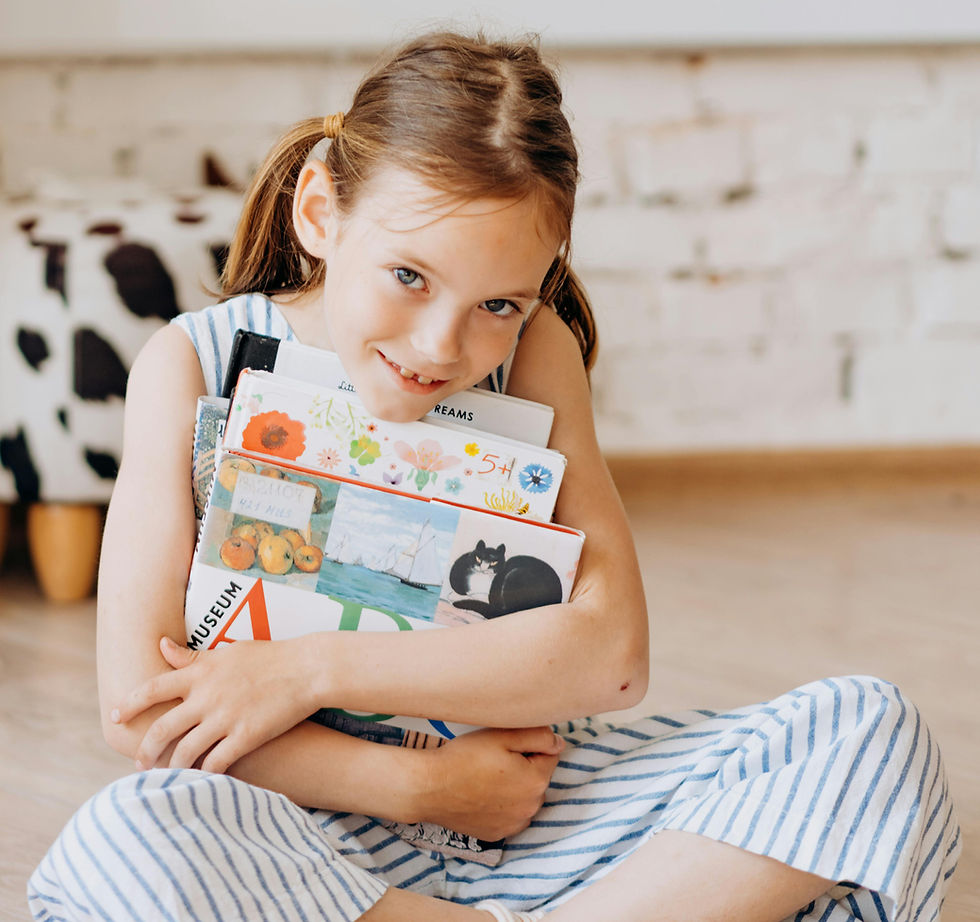
Photograph: karolinagrabowska - Pixabay
Text: Monika Pedersen
The new year begins with the traditional practice of making New Year's resolutions. This is a celebrated activity in which many people set goals or targets to improve their path or pursue a dream.
Such traditions for celebrating life serve as signposts of the passage of time over the course of a year. This practice is often followed in schools. It provides students with highlights throughout the year and often inspires and delights them.
Teachers often start the year by asking students to reflect on their achievements to date and to consider areas in which they wish to grow or improve. Older students often set targets to hone skills they need to be more successful in their studies. With younger children, goal setting is simpler and often involves pastoral elements, such as becoming a better friend or a class helper. These goals are often shared as part of a wall display featuring a tree, with each child’s hopes written on a leaf or within the structure of a hot-air balloon. There are so many options, but the very visual aspect allows children to return to the display and remind themselves of their endeavours.
Yearly traditions
Once January fades away, many Danish schools celebrate the tradition of ‘Fastelavn’ in late February. It is a carnival tradition observed in Scandinavian countries to mark the start of Lent.
At school, it means dressing up and enjoying the ancient tradition of ‘beating a cat out of a barrel’, which represents the removal of bad spirits in preparation for Easter. These days, the barrel is full of sweets and the one who manages to smash down the hanging barrel shares the goodies with the rest of the class. Special pastries are also enjoyed!
Valentine’s Day may also be celebrated. In the younger classes, this provides an opportunity to reconnect with pastoral affairs by having children exchange hearts with warm, loving messages written for each other.
March brings with it the start of Spring, and either March or April heralds Easter with Easter egg hunts and the joy of shaking off the greyness of Winter. The clocks switch and the longer days bring both students and teachers a new lease of life and energy!
May in the Danish calendar is a time of many public holidays, so the weeks are short and it is a time to have longer weekends spent travelling to summer houses to enjoy family time and outdoor activities.
For older students, it is the exam period and the end of their studies, and the beginning of looking forward to the next stage of their academic journey.
By June, half a year has evaporated, and younger students are looking forward to their long awaited holidays. It is often a time of transition with many mobile families leaving for a new assignment in a new country. This is a bittersweet time, so a big emphasis is placed on ‘giving closure’ through ‘goodbye’ parties, cards, and play dates.
July is a time for rest and recuperation.
August starts with a newness and a distinct energy. It is a time for making new friends, meeting new teachers, and learning new routines.
September is the time for bonding. After the freshness of a new academic year, it is vital to support a class in seeing themselves as a group. There is no better way of securing this than an overnight trip with specific outdoor team- building activities, making dinner together, and camping or a night at a youth hostel.
And before long, it is time for a break, quickly followed by one of the biggest dates on the calendar, Halloween. The excitement of dressing up and going ‘trick or treating’ is foremost for almost all students, irrespective of age!
November is often marked by many internationals with the huge celebration of a Fall Festival and Thanksgiving. For Danes, it is the start of the ‘Hygge’ season. Hygge is all about being cosy, comfortable, and coping with the darkness by indulging in simple treats such as hot chocolate with friends, beautiful candles, and enjoying delicious and hearty winter dishes.
And then in a flash, it is December, which brings with it the tradition of making Advent candle decorations to mark the countdown to Christmas Eve. A candle is lit each Sunday to mark the occasion.
At school, a primary classroom needs an Advent calendar, so each child can enjoy a treat of some kind. It also involves the children decorating their classroom with festive colours and creations to reflect the magic of the season.
Time flies when you're having fun
The start of the year brings the prospect of lots of time and opportunities. This is true! However, it is quite incredible how quickly the time passes, and the new year celebrations are being enjoyed, again!