Christmas wonderland
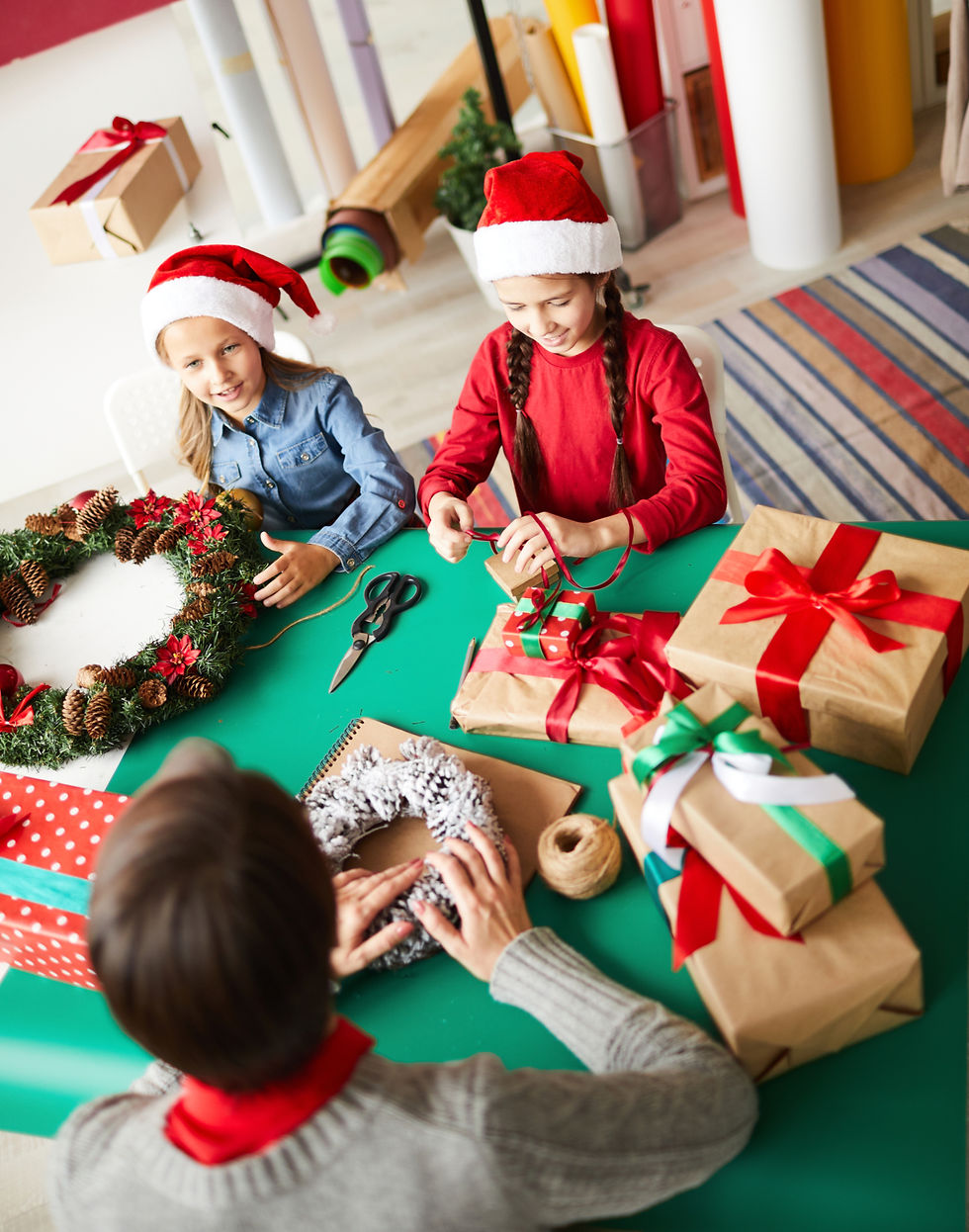
As twinkling lights return, Monika Pedersen explores the magic of classroom traditions and the joy of giving that brightens December.
Photograph: Freepik
Text: Monika Pedersen
December is a magical time of year with shop windows adorned with seasonal sprigs, twinkling lights deck most shops, houses, and balconies, and major cities have Christmas markets where the sound of sausages sizzling and the aroma of gløgg fills the air, bringing with it a sense of enchantment. And in the classroom, there is endless chatter among students about the possible Christmas gift wish list they might create for Santa.
Traditions
It is a time that lends itself to traditions, especially in a school setting. With the four weeks of Advent often starting on the last Sunday in November, a teacher hurries to devise an Advent calendar that young students can enjoy. These are not chocolate-based calendars like those sold in shops, but far more creative ones. Often, each class parent donates a gift, which is wrapped and hung on a string on a classroom wall along with all the other gifts, and a child pulls a number from a hat to allocate them a date. Each day, one child collects their packaged gift. This activity creates tremendous energy and excitement in a room, as the class awaits to see what is inside the wrapping. Another possibility is to have an advent ‘nisser’, as it is called in Denmark, which translates to an elf. The elf has numbered pockets, and inside each pocket is a special message with a much-loved activity, such as extra playtime or Play-Doh time, which the class can enjoy each day.
There is also a day on the calendar for the class to decorate their classroom, with craft activities such as stocking-making, reindeer cutouts, cotton-wool snowmen, and the like. The class then hang their creations to beautify the room and give it some festive cheer.
On the afternoon of December 5, younger classes place their wellies in the classroom, hoping to find them filled with goodies on the morning of December 6, for Saint Nicholas was a saint who bestowed gifts to those who were well behaved!
Another tradition from the Scandinavian countries is the festival celebrating St. Lucia Day, a saint from centuries ago who brought food to those in need and was sadly martyred for her benevolent actions. At school, the ceremony involves older students dressed in all white, holding candles, and parading through the corridors, singing a haunting yet beautiful song. The candles mark the fact that St. Lucia survived the flames that were meant to kill her, but sadly did not survive a fatal stabbing.
In addition to these special events, there is always a festive concert, whereby the music teacher has worked industriously with his/her classes to produce a number of festive songs that students happily present to their parents and evoke a sense of happiness in all those involved.
Thinking of others
The festive period is a time when it is prudent to have children stop and think about those who are not so fortunate. This time of year is not merely about receiving but also about giving. It is a valuable learning experience for children to consider what they can do to improve others' lives. One way to do this is to hold a food drive for non-perishable items or unwanted toys and gifts, which can be donated to local charities that support those in need by distributing the donations. It can also start at home during high-baking season by making some delicious, sweet treats that can be sold at a school bake sale, with the proceeds donated to charity. Whatever the activity may be, the importance lies in the message and in having it embraced by the children.
The festive break
The term finally comes to an end, and the children leave excited for the last days before the ‘great event’; however, over the preceding weeks, it is hoped their minds have absorbed the richness of experiences offered within an international community setting.