


The language of summer in Denmark
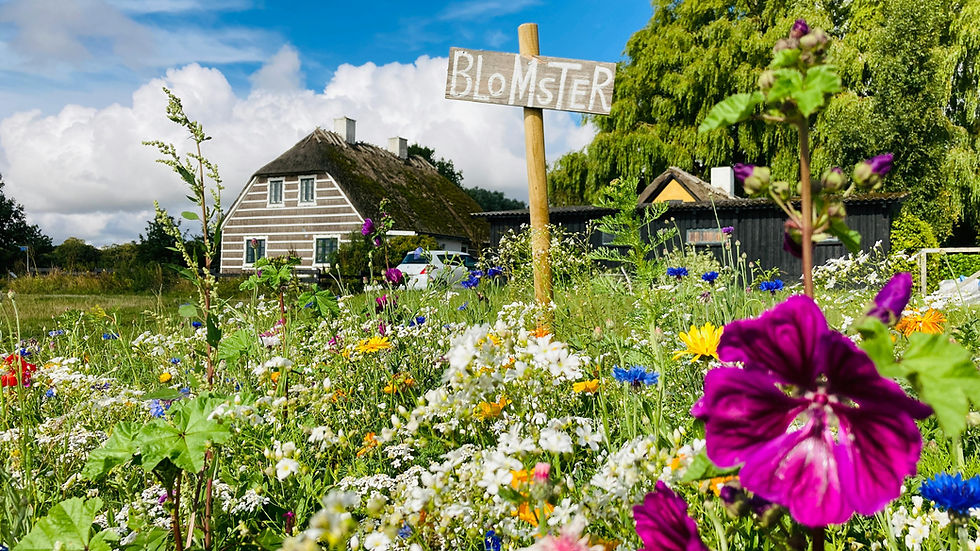
Brooke Taylor Fossey’s guide through Danish summer culture, from sommerhus escapes to the Scandinavian love of outdoor living.
Photographs: Pexels: Frederik M
Text: Brooke Taylor Fossey
Every country has summer traditions. Denmark has an entire summer language - one shaped by long winters, sudden light, and the collective relief of making it through another dark season.
You can hear it before you can feel it. Long before temperatures consistently rise above 20 degrees, people begin asking: Har du planer for sommerferien? Do you have plans for summer vacation?
The language of recharging
Some of the most revealing words about Danish summer are sommerferie and sommerhus. Translated directly, they mean “summer holiday” and “summer house,” but culturally they mean something closer to collective disappearance. In July, out-of-office messages go up and cities empty out. Danes retreat - not necessarily far away - but elsewhere: to coastlines, islands, gardens and cabins.
The sommerhus itself says something important about Danish culture. Unlike the vacation homes associated with luxury in many countries, the Danish summer house is often deliberately simple. Modest, wooden, simple, and charming, often fitted with old coffee mugs and mismatched dishware, a sommerhus is not really about escaping ordinary life; it is ordinary life relocated.
Not everyone disappears to the coast. For many Danes, summer unfolds in a kolonihavehus, a small garden cottage usually located just outside the city. These tiny houses sit side by side in neat rows overflowing with roses and Danish flags, offering another version of summer freedom and nostalgia. The allotment garden movement originated in the 19th century as a green haven for working-class families in dense cities, and has since developed from poor people's gardens to popular recreational havens with long waiting lists.
The language of light
In June, Denmark celebrates Sankt Hans Aften, a midsummer evening marked by bonfires - bål - along beaches, lakes, and harbours across the country. People gather to sing as flames rise against the water, and in some places a witch effigy is still placed atop the fire, a lingering echo of older Nordic traditions.
Perhaps that’s why the expression lyse nætter - “bright nights” - feels uniquely Nordic. In Denmark, summer nights mean never-ending twilight. Children stay outside late, conversations stretch longer than intended, and dinner drifts toward midnight. After months of winter afternoons ending before most people leave work, the return of light changes the mood of the country in a way that is difficult to explain until you experience it yourself.
The language of food
No Danish summer vocabulary would be complete without koldskål and kammerjunkere.
Technically, koldskål is a cold buttermilk dessert flavoured with lemon and vanilla, eaten with crunchy biscuits called kammerjunkere. But describing it that way misses the point entirely.
For many Danes, koldskål tastes like childhood summers. Danish strawberries, sunscreen, warm evenings, and the kind of day where nobody wants to go inside for dinner. Every family has opinions: thick or thin, homemade or store-bought, whole biscuits or crushed ones. The debate itself is part of the tradition!
The language of beach days
If you spend enough time near a Danish beach in summer, you will eventually hear the phrase at slikke sol - literally, “to lick the sun.” After living much of the year under grey skies, Danes pursue sunlight with remarkable dedication. The first warm weekend sends people rushing toward parks, harbours, and beaches.
Danes joke about this with another summer expression: fluepapir - literally “flypaper.” It describes the sight of people lying side by side, trapped like, well, flies on flypaper, at the beach in pursuit of sunlight.
Underneath many of these words lies a larger Scandinavian idea: friluftsliv - literally, “free-air-life.” More than outdoor living, it reflects the belief that life improves when brought outside. Swimming in cold water, cycling without destination, reading in parks, sitting on docks late into the evening - in Scandinavia, nature is not treated as an escape from life but as part of everyday life itself.
Perhaps that’s why Danish summer vocabulary feels so emotionally loaded. These words are not really about the weather. They are about slowing down, gathering together, and taking full advantage of a season that never lasts quite long enough.
After your first winter in Denmark, you understand why summer here is spoken about with such anticipation.
God sommer!


