Påske primer: Easter basics

Brooke Taylor Fossey’s guide to Danish Easter traditions, language, and seasonal customs.
Photographs: Various
Text: Brooke Taylor Fossey
For many Danes, Easter is primarily a cultural holiday - a celebration of spring, a time to be with family, and a welcome break from everyday life. As a newcomer, you will quickly notice the number of public holidays that arrive with the season, beginning with the Easter period.
There are four during Easter: Maundy Thursday (skærtorsdag), Good Friday (langfredag), Easter Sunday (påskedag), and Easter Monday (anden påskedag).
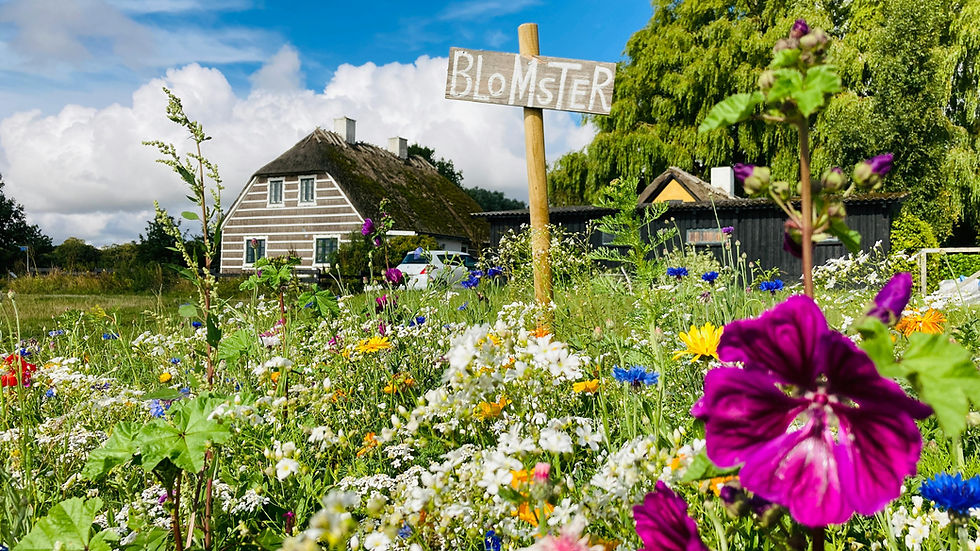
For many people, this stretch of holidays means time off work, family gatherings, and the first real sense that spring has arrived after a long winter. Cafés fill up, spring flowers begin to pop up everywhere out of winter's greyness, and the days become noticeably longer.
Easter lunch
If you’ve been reading along for a few months, you might remember the julefrokost (Christmas lunch). At Easter, Danes gather for the påskefrokost (Easter lunch).
A traditional Danish Easter lunch typically consists of a variety of smørrebrød (open-face sandwich) toppings served on rugbrød (rye bread), ranging from marinated herring with curry salad (karrysild), eggs with shrimp (æg med rejer), fish fillet (fiskefilet) with remoulade, tartlets with chicken in asparagus (tarteletter med høns i asparges), leg of lamb (lammekølle), meatballs (frikadeller), and liver pâté with bacon. Everything gets washed down with special påskebryg (Easter beer) and snaps.
Like its Christmas counterpart, a påskefrokost is usually a long, social meal. People linger at the table, talk for hours, and enjoy the chance to gather with family and friends.
The language of tradition
Learning some Danish words about Easter is a great way to explore the culture at this time of year. Here are a few to get you started, and so many of them stem from the word for Easter itself – påske (which generally is not capitalised in Danish):
påskefrokost – Easter lunch: long, festive meals featuring traditional Danish dishes
påskeæg – Easter eggs
påskelilje – daffodil (literally “Easter lily”)
påskeharen – the Easter Bunny
påskeferie – Easter holiday
påskeøsten – a cold eastern wind that sometimes blows in Denmark in spring
påskejagt / æggejagt / påskeægsjagt – all ways to say Easter egg hunt

One fun thing about Danish is how easily words can be combined. During holidays like Easter, you’ll often see påske attached to other nouns to create new meanings. Once you notice the pattern, it becomes much easier to understand new words as you encounter them.
A quirky Danish Easter tradition
One particularly Danish Easter tradition is the gækkebrev. These are playful, decorative letters cut from folded paper in intricate patterns – a bit like snowflakes. Inside, the sender writes a short rhyming verse and signs it with a series of dots instead of their name.
The recipient must guess who sent the letter. If they guess correctly, the sender owes them a chocolate egg. If they guess wrong, they owe the sender one instead. Children often send them to family members, but adults sometimes join the fun too.
You may also notice påskepynt (Easter decorations) in Danish homes. Small branches are cut and brought indoors to symbolise the arrival of spring. They are placed in a vase and are often decorated with small eggs and other ornaments that celebrate the arrival of spring.
Wishing someone a good Easter
As with Christmas, Danes often wish each other a good Easter. And they will probably wish you one too – whether or not you celebrate. It’s an accepted moment for a pause from the busyness of everyday life and a chance to welcome the arrival of spring.
If you’d like to wish them back, you can say:
God påske! – Happy Easter. This is the most common greeting and is used in the days leading up to and during the holiday. Pronounced, “go poska.”
Glædelig påske! – A slightly more festive version, similar to saying “Merry Easter.” Pronounced “gleh-the-lee poska” and usually reserved for Easter Day.
So when someone wishes you “God påske,” you’ll know exactly what they mean – and you’ll be ready to name the karrysild if you feel adventurous enough to try it at a påskefrokost!